
There’s something undeniably raw and real about off grid camping. No crowds, no caravan park generators humming through the night, and no mobile reception nagging you back into the grind. It’s just you, your kit, and the bush. But to get the most out of remote camping, you’ve got to strike the right balance between being prepared and overpacking like you’re moving house.
Let’s break down what matters, what doesn’t, and how to get the best out of your next bush camping escape.
Choose gear that earns its keep
Off grid camping is the great revealer: if you didn’t use it, you probably didn’t need it. When every kilo counts and space is limited, only pack camping gear that serves a clear purpose. Multipurpose tools and gear that packs down small or weighs bugger all are worth their weight in gold. A decent head torch beats a lantern and torch combo. A billy, frying pan, and pot with a clip-on handle does more than half a kitchen.
If you can’t explain exactly how you’ll use it, it probably doesn’t belong on your camping checklist.

Only take the absolute essentials
What to pack for camping off the grid
Here’s your no-nonsense off grid camping essentials list. This isn’t glamping, but it’s also not survivalist lunacy. It’s the sweet spot:
- Shelter: A good quality tent or swag suited to your climate.
- Sleeping gear: Sleeping bag, insulated mat, and a pillow.
- Cooking: Gas stove, fuel, lighter, billy, pan, utensils, esky/fridge, washing gear.
- Water: Minimum 5L per person per day. Add purification tablets or a filter.
- Food: Dry goods, non-perishables, and simple meal plans.
- Lighting: Headlamp with spare batteries or solar charger.
- First aid kit: Fully stocked—and know how to use it.
- Navigation: Offline maps, compass, GPS.
- Clothing: Layers, rain gear, hat, and thongs.
- Tools: Knife, multitool, shovel, duct tape, rope.
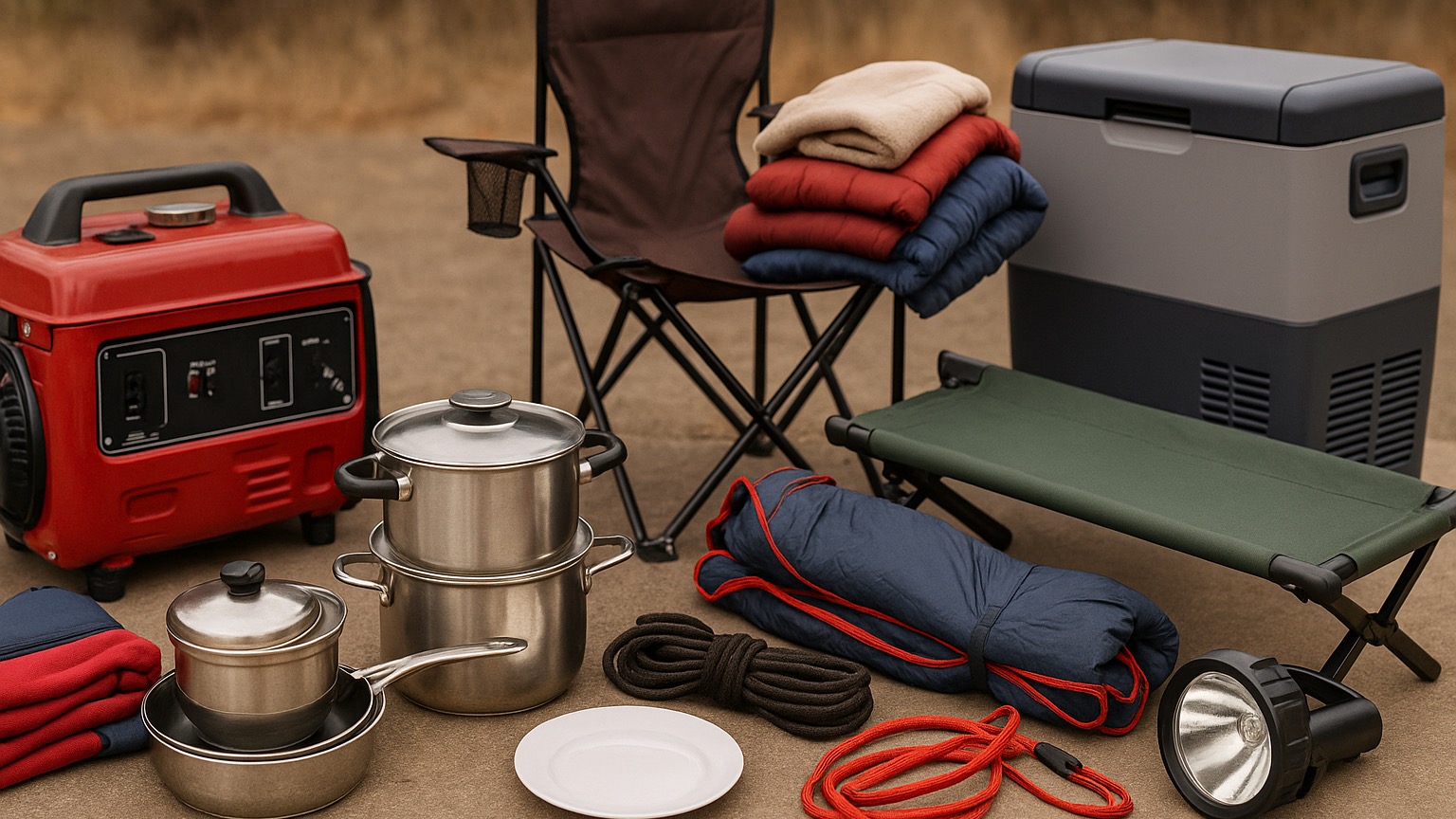
Do you really need all that extra stuff?
What to leave behind (and why you won’t miss it)
Now here’s where half the rookies blow it. They bring stuff “just in case” or to feel “more at home.” Off grid means letting go of some comforts.
- Generators: Noisy, heavy, and often unwelcome. Go solar or go without.
- Excess clothes: You’ll wear the same shirt three days running. It’s the bush.
- Half the pantry: If it needs refrigeration or prep, it stays home.
- Portable showers: Too bulky. A flannel and bucket work fine.
- Camp furniture: One chair per bum. Forget the loungers.
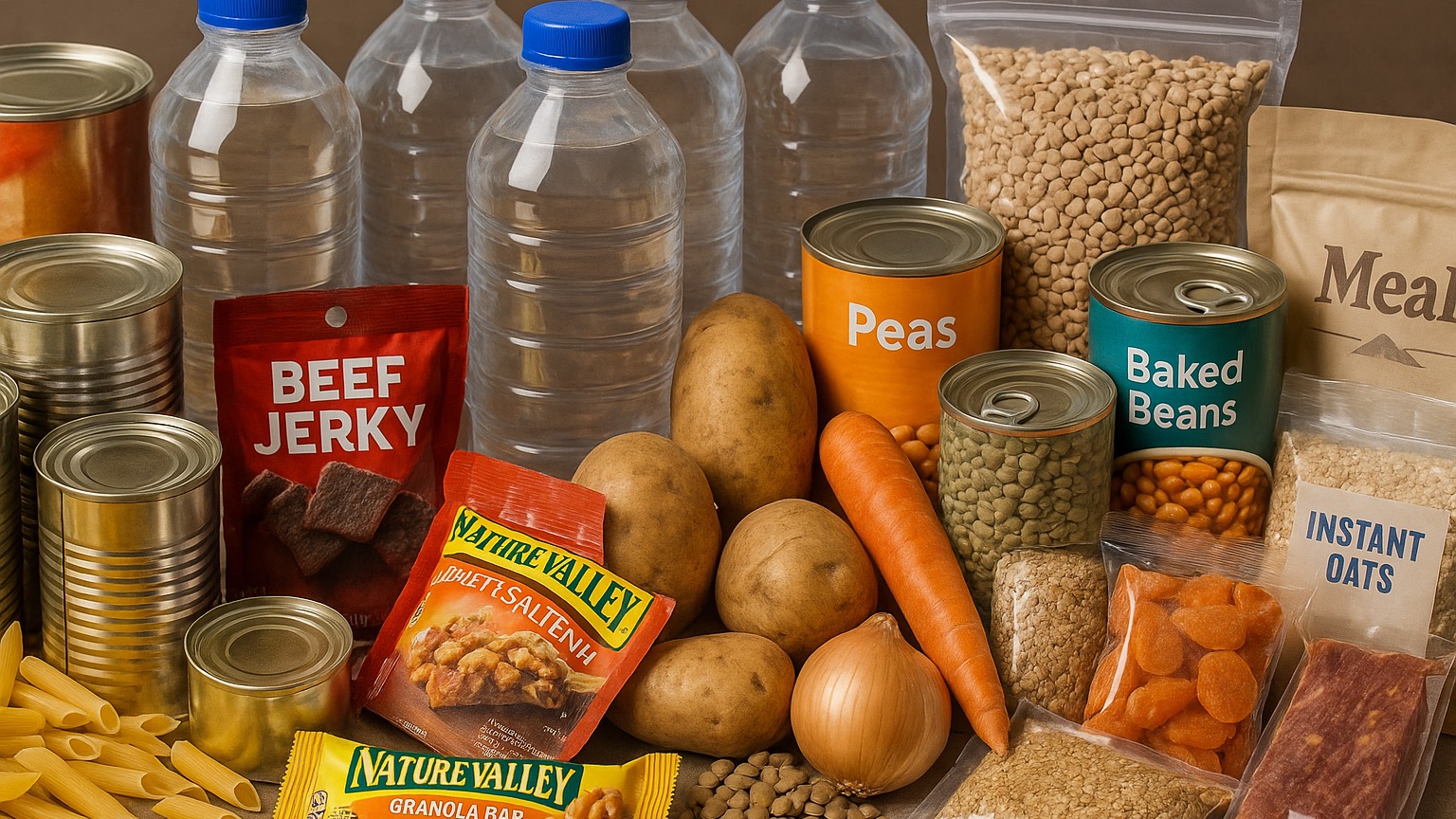
Where possible take foods that don’t need refrigeration
Food, water, and bush camping basics
Food should be hearty, simple, and not reliant on fridge space. Think damper, pasta, canned goods, jerky, muesli bars, and instant oats. Don’t leave scraps around—dingoes and goannas will sniff you out quick smart.
Water is king. Always double your expected use. If there’s a water source nearby, boil it or use a filter—never assume it’s safe straight up. A metal bottle that can be placed in the fire is a handy bush hack.
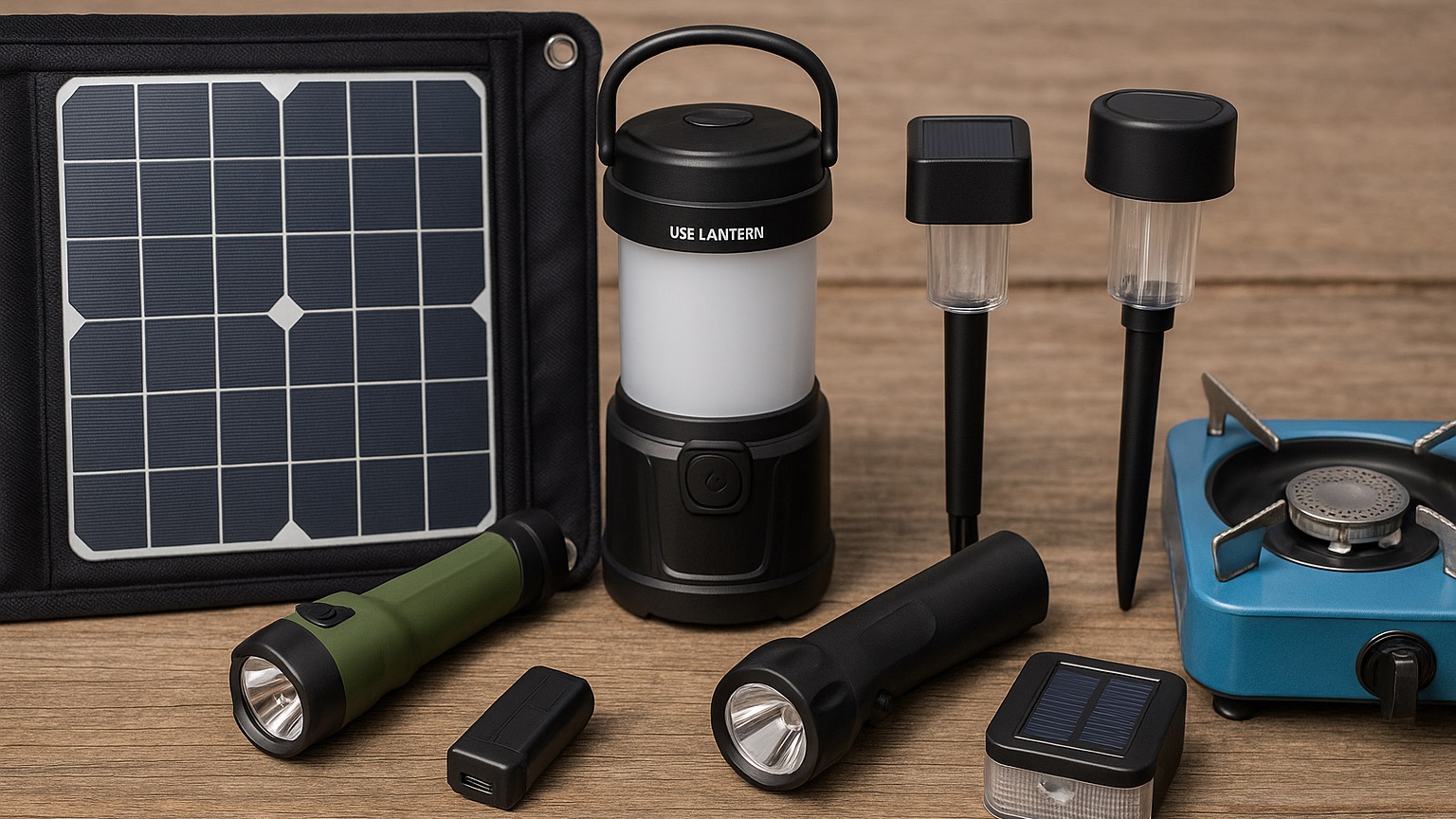
Use solar and rechargeable products
Power-free camping: surviving without sockets
Power-free camping is a shift, but not a hardship. Ditch the gadgets. Pack a small solar panel for critical devices like a GPS or camera. Switch your phone to aeroplane mode to save juice. USB lanterns and solar lights are gold, but even candles can do the job in a pinch.
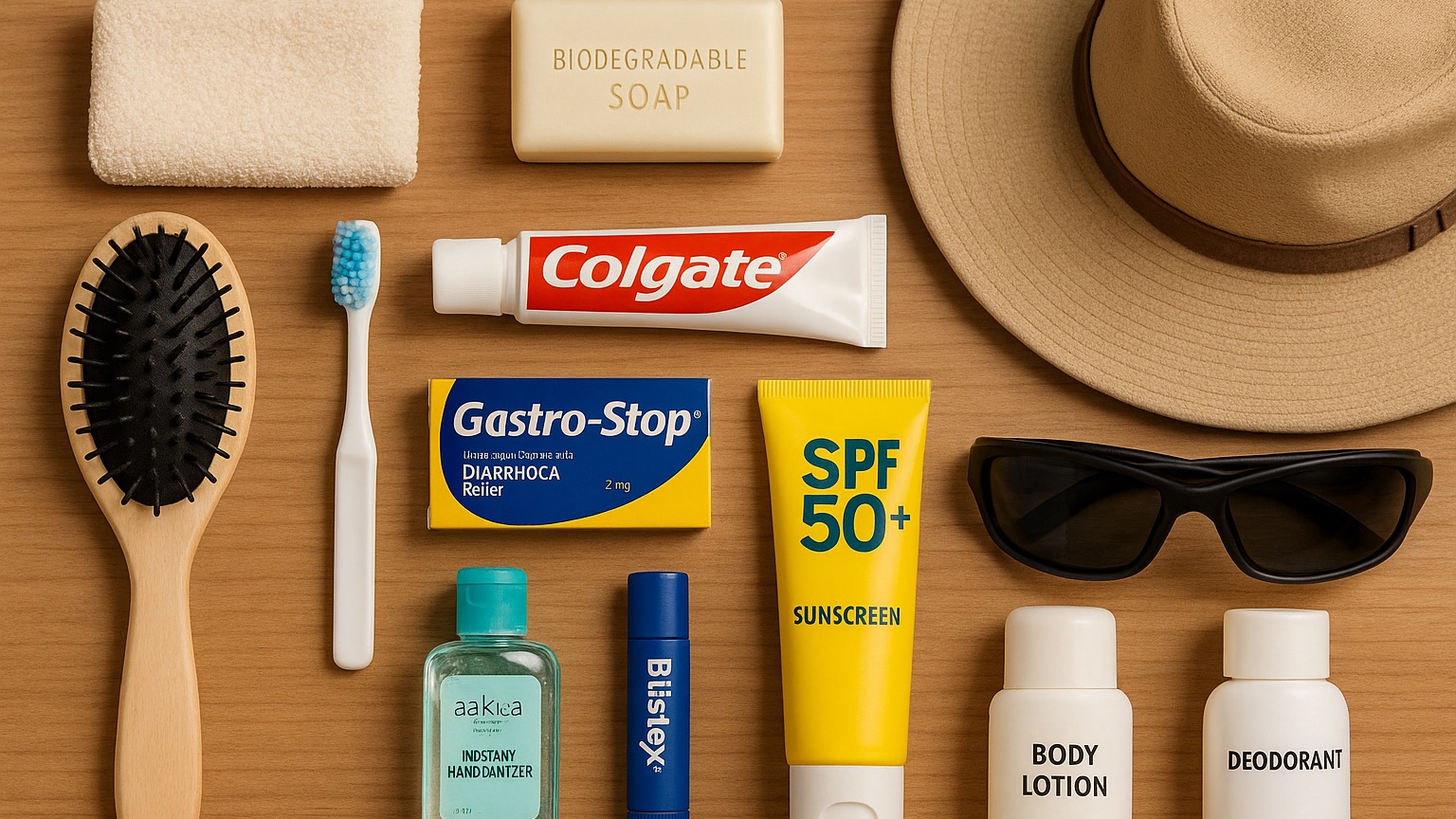
Remember to stay healthy
Health, hygiene and staying sane in the bush
Wet wipes, a trowel, biodegradable soap, and the will to rough it. That’s your hygiene kit. Brush your teeth, freshen up, and wash your hands religiously. Set up a daily routine: boil a cuppa, stretch, light the fire. A little rhythm goes a long way off the grid.
My verdict: The freedom is worth it
Off grid camping strips things down to the essentials—and that’s exactly the point. With less stuff and fewer distractions, the beauty of the bush gets a chance to breathe. You’ll come back dusty, possibly a bit smelly, but clear-headed and grinning.
Word count: 805
Practical Information
- Best times to go: Autumn and spring.
- Access: Some off grid sites need 4WD. Bring paper maps and download offline ones too.
- Water: Treat or boil all natural sources.
- Fire safety: Check fire bans before lighting up. Use a stove if needed.
- Toileting: Dig a 15cm hole well away from water and cover it properly.
- Comms: Assume no mobile reception. Bring a PLB if heading remote.
- Clothing: Sun smart, warm at night, and sturdy on the feet.






Leave A Comment