
The Best Time to Visit Victoria:
A Seasonal Travel Guide
Victoria is a compact state, but it offers a staggering variety of landscapes and experiences — from wild Southern Ocean coastlines and temperate rainforests to wine country, gold rush towns, alpine ski fields, and Australia’s cultural capital, Melbourne. The weather is notoriously changeable, but if you understand what each season offers, Victoria becomes a brilliant year-round destination. Here’s a down-to-earth breakdown.
Summer (December to February)
Best for: Beaches, road trips, festivals, outdoor dining.
Victorian summer delivers the goods — especially if you stick to the coast. The Great Ocean Road is in peak form, with long days, blue skies, and photogenic cliffs. Towns like Lorne, Apollo Bay, and Port Fairy come alive with beachgoers and music festivals. The water’s swimmable, the seafood’s fresh, and there’s a string of lively surf towns that feel almost Mediterranean.
Inland, Grampians National Park is hot but hikeable early in the day, and wineries in the Yarra Valley or Mornington Peninsula offer shady retreats. Melbourne thrives on rooftop bars, pop-up events, and major happenings like the Australian Open.
Autumn (March to May)
Best for: Wine, food, hiking, fewer crowds, foliage.
This is Victoria’s sweet spot. The summer crowds thin out, the heat settles into crisp mornings and golden afternoons, and the whole state breathes a sigh of relief. Daylesford and Castlemaine are autumn gold — literally — with deciduous trees lighting up historic streets. The High Country and Dandenong Ranges offer cool nights and views worth every winding turn.
Autumn is perfect for road trips: Melbourne to Bright via the Great Alpine Road is a stunner. Ballarat and Bendigo hit their stride with regional art shows. The weather plays nice and you’ll get the best of Victoria’s food and wine scene without needing to elbow your way in.
-
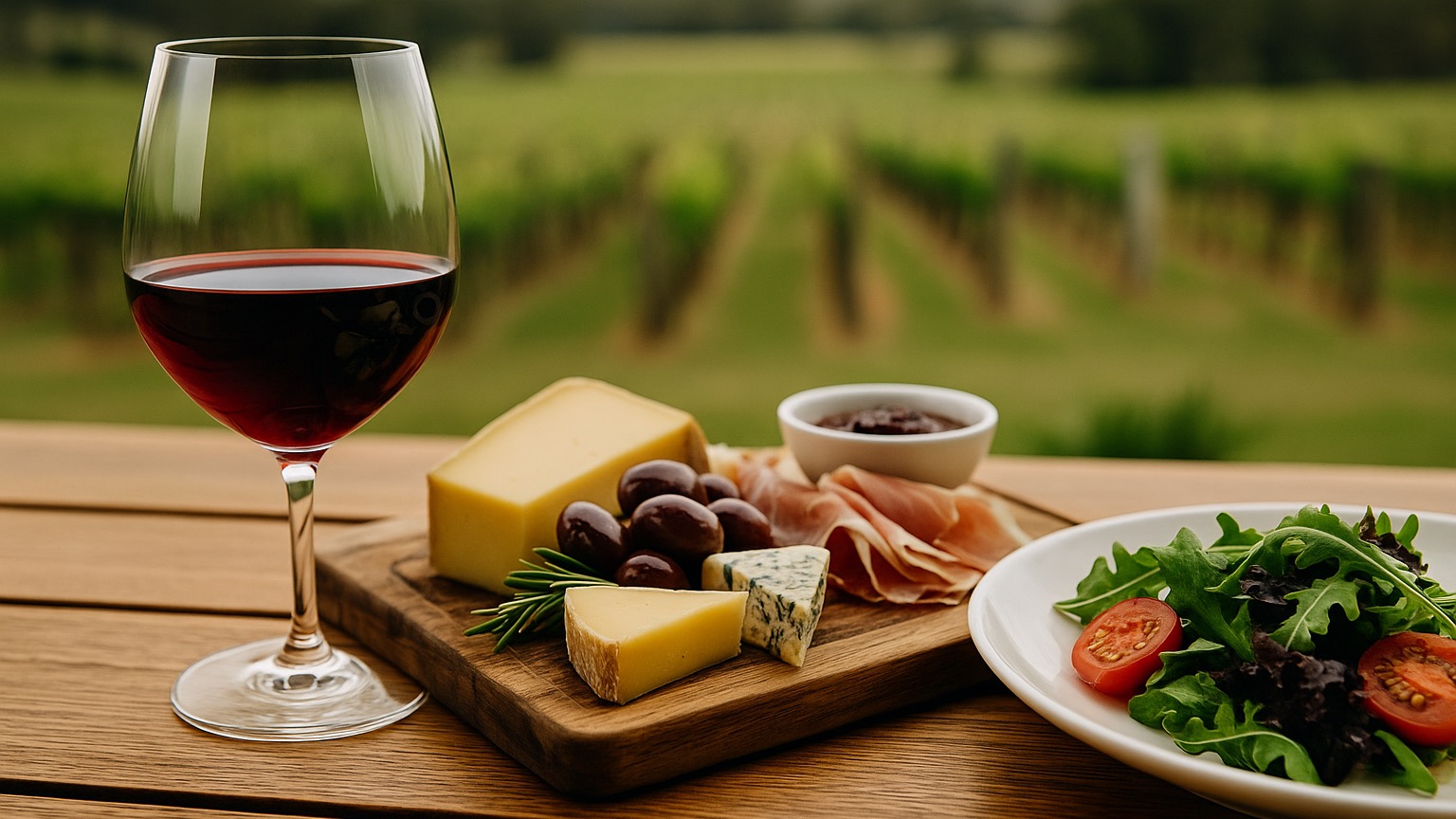
- Enjoy the exceptional taste of Victorian produce
-
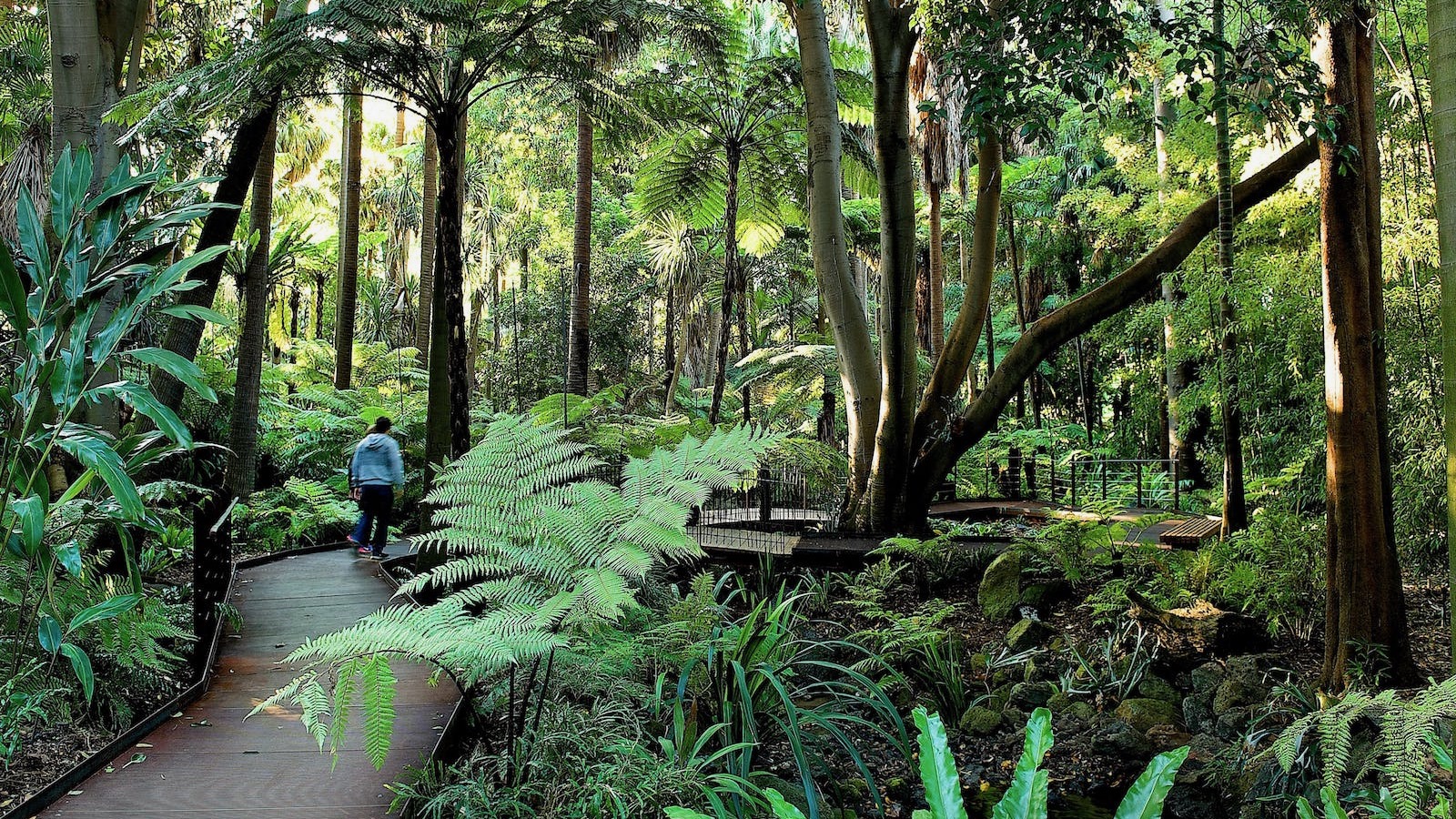
- Go on exceptional walks
-
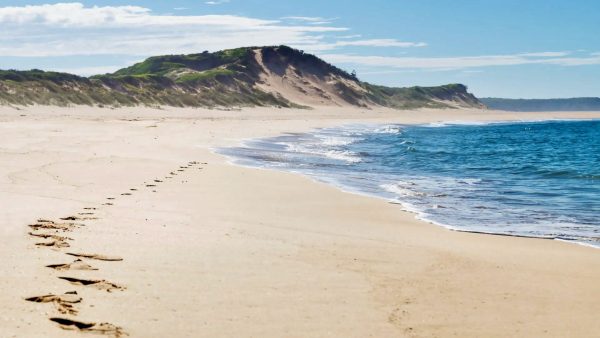
- Leave footprints on exceptional beaches

-

- Experience exceptional views

Winter (June to August)
Best for: Snow sports, hot springs, food, slow travel.
Yes, Victoria gets cold. And yes, it’s still worth going. The Alpine resorts — Mount Buller, Falls Creek, Hotham — attract skiers and boarders. No, it’s not Europe, but the snow’s reliable and the après-ski scene is solid. Lake Mountain is good for families.
If you’re not into snow, chase misty mornings and wood fires in Daylesford or Kyneton. Winter is also the best time for soaking in the Peninsula Hot Springs or exploring the Otway Ranges. Melbourne gets a moody glow, with theatre season in full swing. Rug up, slow down, and enjoy the cosiness.
Spring (September to November)
Best for: Gardens, wildlife, city breaks, road trips.
Everything wakes up in spring — the bush, the wildflowers, the cities. The Royal Botanic Gardens bloom with colour. Healesville Sanctuary is alive with joeys. Phillip Island penguins start showing off again, and the whale season tapers off.
Melbourne shifts gears with the Melbourne Cup. The Grampians and Wilson’s Promontory are magic, with trails bursting with colour and mild weather. Explore Victoria’s silo art trail or hit food markets in Clunes and Birregurra. Think fresh asparagus and new season wine.
Final Thoughts
Victoria doesn’t have an off-season — just different moods. If you want surf and sun, go in summer. If you want colour and calm, go in autumn. If you want snow or hot springs, go in winter. If you want nature’s full revival, go in spring. Don’t waste time fretting about unpredictable weather. Just go with the flow — pack for layers, chuck in a raincoat, and let Victoria surprise you.
Practical Information
- Getting There: Victoria is well-connected. Fly into Melbourne Airport (Tullamarine) for most destinations. For regional access, Avalon Airport near Geelong offers limited domestic flights. V/Line trains and coaches link Melbourne to most regional centres.
- Getting Around: A car is the best way to explore regional Victoria, especially coastal and alpine areas. For Melbourne, public transport is excellent. Use PTV for trams, trains, and buses.
- Opening Hours: Most attractions are open 9am–5pm daily, but seasonal changes apply. National parks are accessible year-round, though alpine roads may close due to snow. Always check Parks Victoria alerts.
- Dress Code: There isn’t one, but layering is essential. Weather swings are common — always bring a warm jacket and waterproof layer, even in summer. For alpine and coastal trips, proper walking shoes are a must.
- Best Time to Visit: Autumn (March–May) and Spring (September–November) offer ideal weather, fewer crowds, and stunning scenery. Summer is great for coastal travel. Winter suits snow-goers and those seeking cosy, slow travel.
- Safety: Bushfires are a real threat in summer — check alerts via Vic Emergency. In alpine areas, carry snow chains in winter. On remote trails, carry water, a map, and let someone know your route. Don’t rely solely on phone coverage.
More Information
- Visit Victoria – Official Tourism Guide
A comprehensive hub for planning, events, and region-specific attractions across the state. - Parks Victoria – Trails, Campsites & Park Alerts
Up-to-date information on national parks, bushwalks, camping spots, and park closures or safety notices. - Great Ocean Road – Plan Your Journey
Everything you need for a coastal adventure, including key sights, maps, and events from Torquay to Warrnambool. - Yarra Valley Wine Region
Winery listings, cellar doors, and event calendars for one of Victoria’s top wine regions. - Grampians National Park
Official tourism resource for hikes, rock art sites, wildlife, and accommodation in the Grampians. - Falls Creek – Alpine Resort
Winter snow updates and summer activity info for one of Victoria’s top alpine resorts.

Leave A Comment